
In modern healthcare, the ability to move patients safely and efficiently between facilities is a vital extension of clinical care. Patient transfer is not merely a logistical function—it is a time-sensitive medical operation where precision, coordination, and expertise directly influence outcomes.
Every transfer begins with a structured evaluation of clinical urgency and transport feasibility. Determining whether a patient requires basic monitoring or advanced life support during transit is critical. This decision shapes the composition of the medical team, the equipment deployed, and the mode of transportation selected. For critically ill patients, even minor disruptions can carry significant risk, making preparation and stabilization essential before departure.
Equally important is operational planning. Effective patient transfer requires real-time coordination between multiple stakeholders, including referring physicians, receiving specialists, ground teams, and aviation operators when applicable. Clear communication ensures that all parties are aligned, minimizing delays and enabling immediate continuation of care upon arrival.
Environmental and geographical factors also play a crucial role. Cross-border transfers, in particular, demand familiarity with regulatory requirements, airport protocols, and healthcare systems across different jurisdictions. Navigating these complexities requires both experience and structured processes to ensure compliance and efficiency.
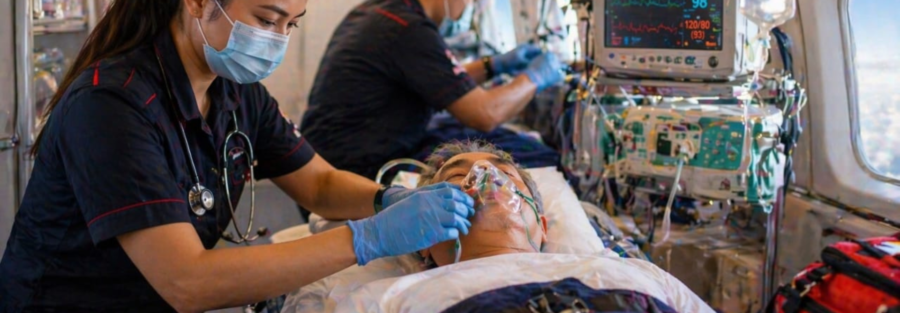
During the transfer itself, continuous monitoring and clinical intervention remain central. Advanced medical equipment, combined with skilled professionals, allows for the management of evolving patient conditions in transit. This mobile critical care environment ensures that treatment does not pause, even when patients are between facilities.
n modern healthcare, the ability to move patients safely and efficiently between facilities is a vital extension of clinical care. Patient transfer is not merely a logistical function—it is a time-sensitive medical operation where precision, coordination, and expertise directly influence outcomes.
Every transfer begins with a structured evaluation of clinical urgency and transport feasibility. Determining whether a patient requires basic monitoring or advanced life support during transit is critical. This decision shapes the composition of the medical team, the equipment deployed, and the mode of transportation selected. For critically ill patients, even minor disruptions can carry significant risk, making preparation and stabilization essential before departure.
Equally important is operational planning. Effective patient transfer requires real-time coordination between multiple stakeholders, including referring physicians, receiving specialists, ground teams, and aviation operators when applicable. Clear communication ensures that all parties are aligned, minimizing delays and enabling immediate continuation of care upon arrival.
Environmental and geographical factors also play a crucial role. Cross-border transfers, in particular, demand familiarity with regulatory requirements, airport protocols, and healthcare systems across different jurisdictions. Navigating these complexities requires both experience and structured processes to ensure compliance and efficiency.
During the transfer itself, continuous monitoring and clinical intervention remain central. Advanced medical equipment, combined with skilled professionals, allows for the management of evolving patient conditions in transit. This mobile critical care environment ensures that treatment does not pause, even when patients are between facilities.
Ultimately, successful patient transfer is defined by more than speed—it is measured by safety, continuity, and patient-centered execution. At Lifedot MedEvac, every transfer is approached as a coordinated mission, where operational excellence and medical precision come together to deliver reliable care when it matters most.


4 Comments
Riva Collins
It’s no secret that the digital industry is booming. From exciting startups to need ghor
global and brands, companies are reaching out.
Riva Collins
It’s no secret that the digital industry is booming. From exciting startups to need ghor
global and brands, companies are reaching out.
Obila Doe
It’s no secret that the digital industry is booming. From exciting startups to need ghor hmiu
global and brands, companies are reaching out.
Obila Doe
It’s no secret that the digital industry is booming. From exciting startups to need ghor hmiu
global and brands, companies are reaching out.